

Building maintenance is the everyday work involved in keeping a property safe, functional and pleasant to use. It stretches from fixing a dripping tap to servicing a boiler, checking fire alarms and keeping shared spaces clean and presentable. Put simply, it is the care a building needs to keep working properly, day after day.
Most people only notice maintenance when something goes wrong. A flickering light, a broken lift or a leaking roof draws attention because it disrupts everyday life. Good maintenance, though, is mostly invisible. It happens quietly in the background, often before anyone realises a problem was even brewing.
For businesses, schools, healthcare settings and residential blocks alike, building maintenance is not just about appearances. It protects the value of a property, supports the safety of everyone inside it and helps avoid the much higher costs that come with neglect.
What Is Building Maintenance Management?
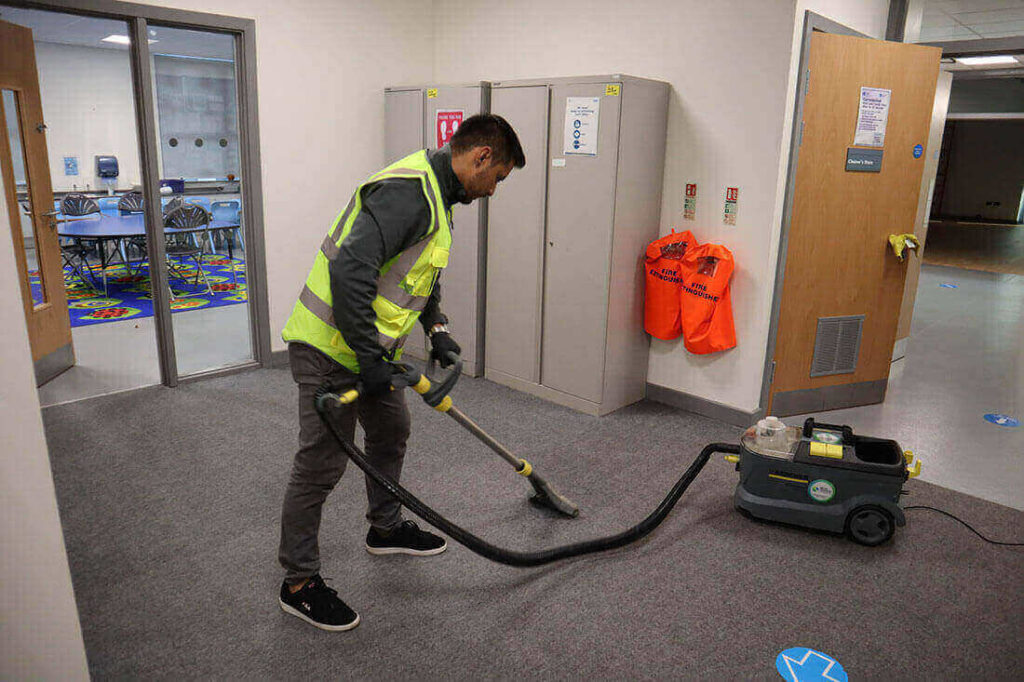
Building maintenance management is the planning, coordination and oversight of all the maintenance work a property needs. Rather than waiting for things to break, it involves scheduling inspections, servicing equipment and organising repairs so small issues are caught early, before they turn into expensive emergencies.
This usually blends two types of work. Planned preventative maintenance covers routine tasks such as checking heating systems, testing fire safety equipment and inspecting roofs and gutters at set intervals. Reactive maintenance deals with the unexpected such as a burst pipe, a faulty alarm or a broken window that needs urgent attention. A well run building leans heavily on the planned side, keeping reactive work to a minimum.
The scale of what is at stake becomes clearer when you look at the numbers. The National Audit Office has estimated that maintenance backlogs across schools, hospitals, prisons and other public buildings in the UK now total at least £49 billion. That figure alone shows what happens when maintenance slips, small delays compound into much larger problems that demand attention eventually anyway, usually at a far higher price.
Effective building maintenance management brings structure to what could otherwise be a chaotic mix of jobs. Someone is always thinking ahead, checking what needs doing next month, rather than only responding to what has already gone wrong.
What Are The Different Types Of Building Maintenance?
There are generally three categories worth knowing. Planned preventative maintenance is scheduled in advance and covers routine servicing such as HVAC checks, electrical testing and general upkeep. Reactive maintenance responds to faults as they happen. Corrective maintenance sits between the two, addressing issues spotted during inspections before they escalate into something more serious.
Many buildings also rely on specialist maintenance for particular systems such as lift servicing, pest control, roofing work or rope access for areas that are otherwise hard to reach. The mix a building needs depends entirely on its size, age and how it is used.
Why Does Building Maintenance Matter?
Beyond safety, regular maintenance protects the financial value of a property. Buildings cared for consistently tend to hold their worth far better than those left to deteriorate.
There is a human side too. Staff, tenants, students or patients notice when a building feels neglected, and that can affect morale, comfort and how people view an organisation as a whole.
Compliance plays its part as well. Regulations around fire safety, electrical systems and wider building safety mean that maintenance is not simply a nice thing to do, it is often a legal requirement.
Who Is Responsible For Building Maintenance?
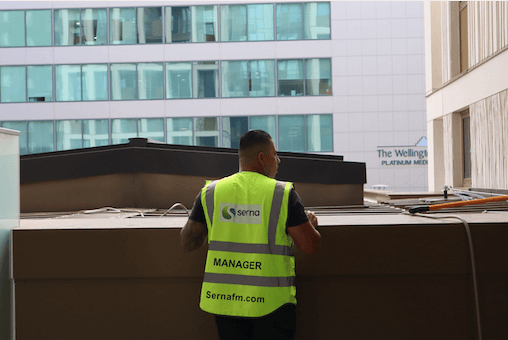
Responsibility usually falls to a building owner, landlord or in larger commercial settings, a dedicated facilities management provider. Many businesses choose to outsource this work entirely, bringing in experienced teams who understand what needs checking, when and why. This tends to be more reliable than managing everything internally, particularly for larger or more complex buildings where several systems need attention at once.
How Often Should Building Maintenance Take Place?
There is no single answer as it depends on the building itself. Some checks, such as fire alarm testing, need to happen frequently. Others, like roof inspections, might only be needed once or twice a year. A good maintenance schedule is tailored to the specific property rather than following a generic template.
Ultimately, building maintenance management is about staying ahead of problems rather than chasing them. Done well, it keeps buildings safer, more efficient and far more pleasant places to be, quietly protecting both the people and property long before anything has the chance to go wrong. If you need help with building maintenance in London, get in touch with Serna FM today!